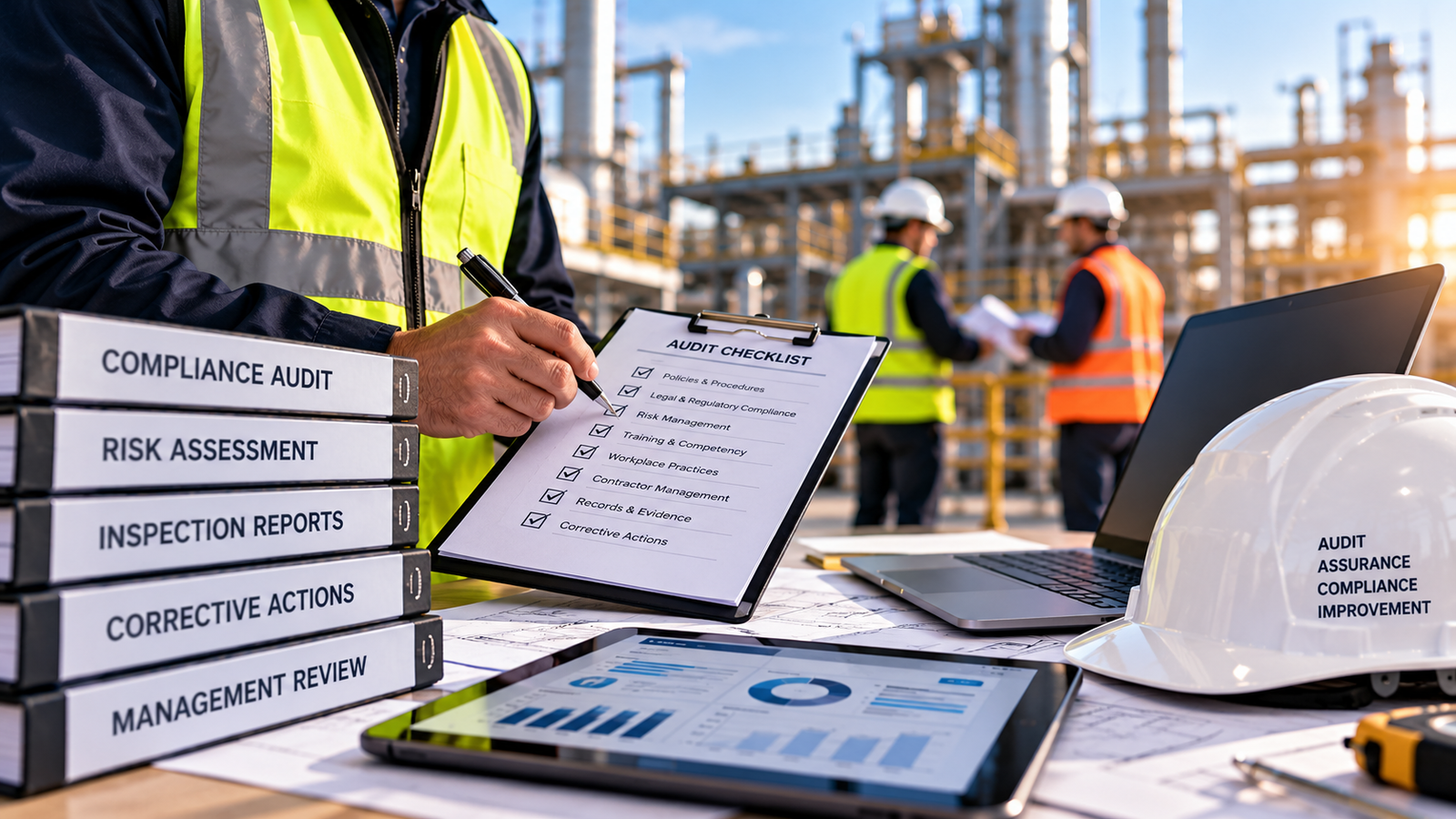
Excerpt:Independent audits can help Australian businesses identify compliance gaps, verify controls and improve operational performance. Learn why regular audits are an important part of effective risk and compliance management. Independent Audits in Australia: Why Regular Compliance Audits Matter An audit is more than a checklist or a search for mistakes. A well-planned independent audit provides an objective view of how effectively an organisation’s systems, processes and controls are working in practice. For Australian businesses, regular audits can help identify gaps, verify existing controls, improve accountability and provide management with greater confidence in their compliance and operational performance. What Is an Independent Audit? An independent audit is an objective assessment conducted by someone who is sufficiently independent from the activities being reviewed. The purpose is to assess whether systems, processes and controls are operating as intended and identify areas where improvement may be required. Depending on the organisation and scope, an audit may examine: Why Are Independent Audits Important? Identify Compliance Gaps Audits can identify areas where actual workplace practices may not align with documented requirements or organisational expectations. Provide Independent Assurance An independent perspective can provide management with a more objective understanding of current performance. Strengthen Risk Management Audit findings can help organisations identify weaknesses in existing controls and prioritise areas requiring attention. Improve Accountability Clear findings, responsibilities and corrective actions help organisations track improvement and maintain accountability. Support Continuous Improvement Audits should not simply identify problems. They should provide practical information that helps organisations improve their systems and processes. What Does an Independent Audit Review? The audit scope should be tailored to the organisation and the purpose of the assessment. An audit may review: Policies and Procedures Are documented systems current, relevant and aligned with the organisation’s operations? Workplace Practices Are workers actually following the processes and controls that have been established? Risk Controls Are identified risks being effectively controlled and monitored? Training and Competency Are workers appropriately trained and competent for their roles? Contractor Management Are contractors being assessed, inducted, monitored and managed appropriately? Records and Evidence Can the organisation demonstrate that required activities, inspections, training and corrective actions are being completed? Corrective Actions Are identified issues being addressed and closed effectively? Common Types of Audits Complete Compliance Solutions can support organisations with different types of audits and assurance activities, including: Compliance AuditsAssess whether relevant requirements and organisational controls are being effectively managed. Internal AuditsReview internal systems and processes to identify gaps and opportunities for improvement. Workplace AuditsAssess actual workplace conditions, practices and controls. Gap AssessmentsIdentify differences between current performance and desired requirements or standards. Assurance ReviewsProvide management with an independent perspective on risk, controls and operational performance. What Happens During an Audit? A typical audit may involve several stages. 1. Planning The audit scope, objectives, criteria and areas of focus are established. 2. Document Review Relevant policies, procedures, registers, records and other evidence are reviewed. 3. Workplace Assessment Where appropriate, the auditor observes workplace activities and speaks with relevant workers and managers. 4. Evidence Collection Evidence is gathered to determine whether requirements and controls are being effectively implemented. 5. Findings Areas of conformity, gaps, risks and improvement opportunities are documented. 6. Reporting The organisation receives a clear report outlining findings and recommended actions. 7. Corrective Action The organisation can then prioritise and address identified issues. How to Get More Value From Your Audits An audit is most valuable when the findings are used to improve the organisation. Businesses should: The goal should be better performance—not simply a completed audit report. When Should Your Business Consider an Independent Audit? An independent audit can be particularly useful when: How Complete Compliance Solutions Can Help Complete Compliance Solutions provides independent audit and assurance services designed to give Australian organisations greater visibility of compliance, risk and operational performance. Our services include: Our approach focuses on clear findings, practical recommendations and meaningful improvement. Final Thoughts Independent audits provide organisations with an opportunity to step back, examine how their systems are working and identify where improvements can be made. When audits are approached as a tool for improvement rather than simply a compliance requirement, they can provide valuable insight into risks, controls and operational performance. Regular, well-planned audits can help businesses strengthen their systems, improve accountability and make more informed decisions. Need an Independent Audit? Complete Compliance Solutions can provide practical, independent audit and assurance support tailored to your organisation. Get a Free Quote
Compliance Management Systems in Australia: A Practical Guide for Businesses
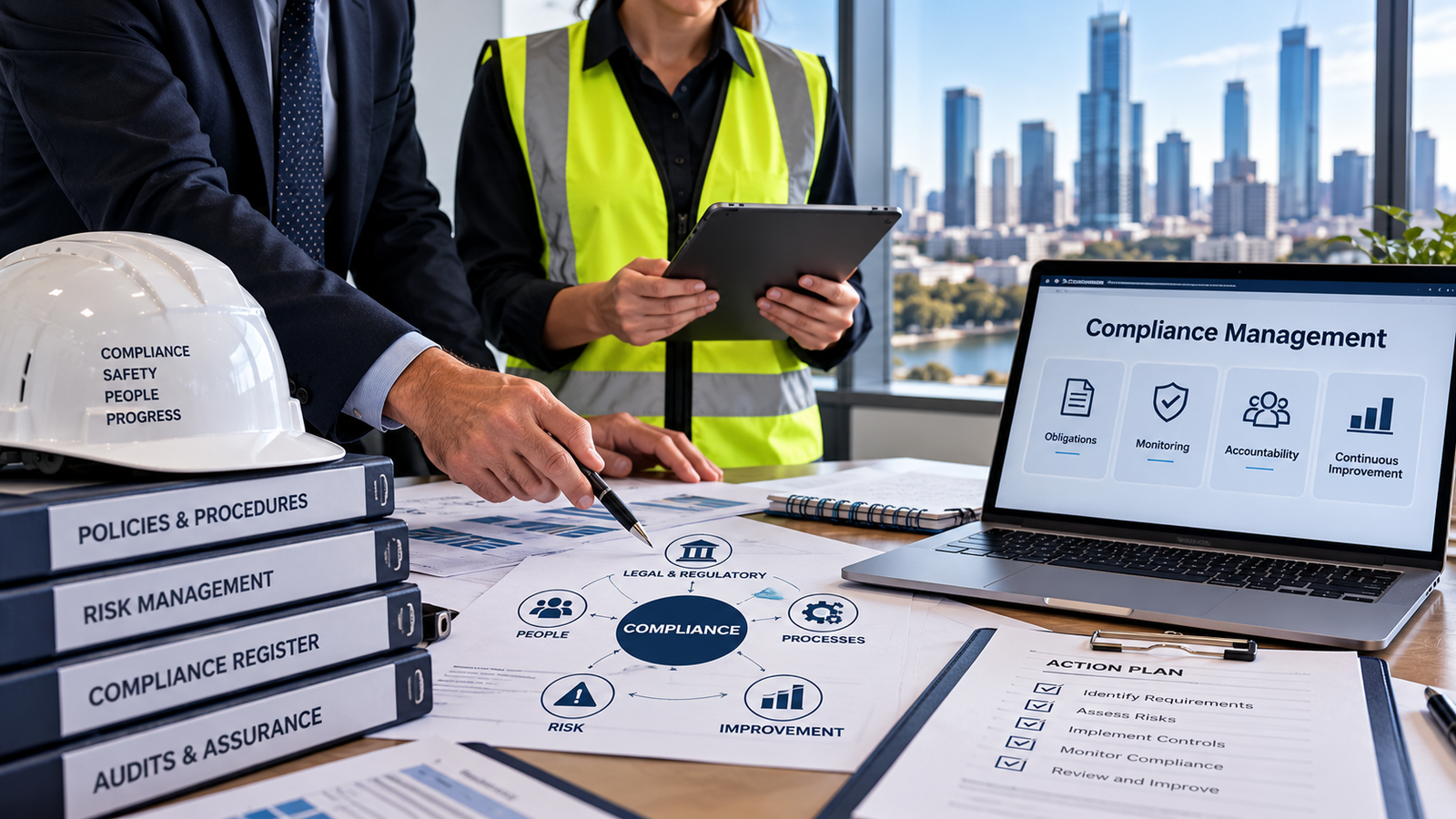
Excerpt:A strong compliance management system helps Australian businesses understand their obligations, manage risks and maintain consistent processes. Learn how to build a practical compliance framework that supports your organisation. Compliance Management Systems in Australia: A Practical Guide for Businesses Compliance is an important part of operating a successful Australian business. As organisations grow, they often face increasing legal, regulatory, contractual and operational requirements. Managing these requirements through scattered documents and manual processes can make it difficult to understand what needs to be done, who is responsible and whether requirements are being met. A structured compliance management system provides a practical framework for identifying obligations, assigning responsibilities, monitoring performance and continuously improving business processes. What Is a Compliance Management System? A compliance management system is a structured approach that helps an organisation identify, manage, monitor and review its compliance obligations. A practical system may include: The objective is not simply to create more paperwork. The objective is to make compliance easier to understand, manage and demonstrate. Why Is Compliance Management Important? A strong compliance framework can help businesses improve visibility and control across their operations. Reduce Compliance Risk Identifying obligations and monitoring them systematically can help organisations identify gaps before they become larger issues. Improve Accountability Clear responsibilities help ensure that compliance tasks are assigned to the right people and followed up appropriately. Strengthen Business Processes Well-defined procedures can create greater consistency across teams, sites and operational activities. Support Better Decision-Making Reliable compliance information can help management make more informed decisions about risk, resources and operational priorities. Build Organisational Confidence A structured approach gives management, workers, clients and other stakeholders greater confidence that important requirements are being actively managed. Key Components of an Effective Compliance System 1. Identify Your Compliance Obligations The first step is understanding which requirements apply to your organisation. Depending on the business, these may include: Your compliance obligations should be relevant to your actual activities, locations and operations. 2. Maintain a Compliance Register A compliance register can provide a central location for recording important obligations and monitoring their status. A useful register may identify: This makes it easier to understand what needs attention and when. 3. Establish Clear Policies and Procedures Policies explain organisational expectations, while procedures provide practical guidance on how activities should be performed. Documents should be easy for workers to understand and should reflect how work is actually carried out. 4. Assign Responsibilities Compliance should not sit with one person or department alone. Responsibilities should be clearly assigned so everyone understands their role in maintaining compliance. 5. Monitor and Measure Performance Organisations should regularly monitor their compliance performance. This can include: 6. Conduct Regular Audits Audits can help identify gaps between documented requirements and actual workplace practices. Independent audits can also provide an objective view of how effectively systems are operating. 7. Manage Corrective Actions Finding a compliance gap is only the beginning. Organisations should identify the cause, determine appropriate corrective actions, assign responsibility and track the action through to completion. 8. Review and Improve Compliance requirements and business operations can change. Regular reviews help ensure that your compliance system remains relevant as your organisation, risks, projects and obligations evolve. Common Compliance Management Challenges Many organisations experience similar challenges when managing compliance. These can include: These issues can make compliance reactive rather than proactive. How to Build a More Practical Compliance System A practical compliance system should be: RelevantFocused on the actual requirements and risks of your organisation. SimpleEasy for workers and managers to understand and use. DocumentedSupported by appropriate records and evidence. MonitoredRegularly checked through inspections, reviews and audits. AccountableSupported by clear responsibilities and ownership. Continuously ImprovedUpdated as business operations, risks and requirements change. How Complete Compliance Solutions Can Help Complete Compliance Solutions provides practical compliance and management system support for Australian organisations. Our services can help businesses strengthen their compliance framework through: Our approach focuses on practical systems that support your organisation’s real operational requirements rather than simply providing generic documentation. Final Thoughts Compliance management should be an active part of how your organisation operates. A structured system can help businesses understand their obligations, assign responsibility, monitor performance, identify gaps and continually improve. The goal is not simply to demonstrate compliance when an audit occurs. It is to build systems that support safer, more consistent and better-managed operations every day. Need Help Strengthening Your Compliance System? Complete Compliance Solutions can help your organisation develop practical approaches to compliance, risk and assurance. Get a Free Quote

HSEQ Management in Australia: How Businesses Can Strengthen Workplace Safety and Compliance
A strong HSEQ management approach helps Australian businesses improve workplace safety, manage operational risks and maintain compliance. Discover practical ways to strengthen your HSEQ performance. HSEQ Management in Australia: How Businesses Can Strengthen Workplace Safety and Compliance Health, Safety, Environment and Quality (HSEQ) management plays an important role in helping Australian organisations operate safely, efficiently and responsibly. For many businesses, managing HSEQ requirements can become challenging as operations grow, projects change, contractors increase and compliance obligations become more complex. A practical HSEQ approach helps organisations move beyond paperwork and focus on what matters most: effective controls, safer workplaces, consistent processes and continual improvement. What Is HSEQ Management? HSEQ brings together four important areas of organisational performance: Rather than managing these areas separately, an integrated HSEQ approach allows businesses to create a more consistent framework for managing operational risks and performance. Why Is HSEQ Important for Australian Businesses? Every organisation faces different operational risks and compliance requirements. A manufacturing business may need to manage plant, hazardous substances and production risks, while a construction contractor may focus heavily on site safety, contractors, high-risk activities and project requirements. An effective HSEQ system helps businesses: Improve Workplace Safety Identifying hazards and implementing appropriate controls can help reduce the likelihood of workplace incidents and injuries. Strengthen Compliance Clear processes, responsibilities, records and monitoring can help organisations demonstrate that HSEQ requirements are being actively managed. Improve Operational Performance Well-designed systems can reduce inefficiencies, recurring issues, disruptions and unnecessary duplication. Manage Contractor Risk Businesses working with contractors need effective processes for selecting, assessing, monitoring and managing contractor performance. Support Continual Improvement Regular inspections, audits, incident reviews and performance monitoring help organisations identify opportunities for improvement. Key Elements of an Effective HSEQ System A strong HSEQ framework should reflect how your organisation actually operates. 1. HSEQ Policies and Procedures Clear policies and procedures establish expectations and responsibilities across the organisation. These should be practical, accessible and regularly reviewed rather than simply created for compliance purposes. 2. Risk Management Risk management should be integrated into everyday operations. Businesses should identify hazards, assess risks, implement appropriate controls and review those controls when circumstances change. 3. Workplace Inspections Regular inspections can help identify hazards, control weaknesses and opportunities for improvement before they develop into larger problems. 4. Incident and Near-Miss Management An effective incident management process should focus not only on what happened but also on why it happened and what can be done to prevent recurrence. 5. Contractor Management Contractors can introduce additional risks into an organisation. A structured contractor management process can help businesses assess contractor capability, communicate requirements, monitor performance and address issues. 6. Training and Competency Workers should have the appropriate knowledge, skills and training to perform their roles safely and effectively. HSEQ systems should also identify where refresher training or additional competency development may be required. 7. Audits and Assurance Internal and independent audits can provide valuable insight into whether systems are operating as intended. Audits should identify practical improvement opportunities rather than simply focus on paperwork. 8. Continuous Improvement HSEQ performance should be monitored and improved over time. Businesses can use: to identify trends and improve their systems. When Should a Business Consider Additional HSEQ Support? Additional HSEQ resources can be valuable when your organisation experiences: You do not always need to build a larger permanent team to access experienced HSEQ capability. On-demand HSEQ resources can provide additional support when and where it is required. The Benefits of On-Demand HSEQ Resources For organisations with changing operational requirements, flexible HSEQ support can provide access to experienced professionals without the commitment of maintaining additional permanent resources. Support may include: Short-Notice HSEQ CoverExperienced HSEQ professionals when internal resources are unavailable. Project SupportAdditional HSEQ capability during major projects and operational changes. Shutdown SupportPractical support during shutdowns, maintenance and high-activity periods. Site InspectionsIndependent workplace inspections to identify hazards and improvement opportunities. Contractor ManagementSupport with contractor assessment, monitoring and compliance requirements. This approach allows organisations to access the right level of expertise when they need it. How Complete Compliance Solutions Can Help Complete Compliance Solutions provides practical HSEQ resources and compliance support for Australian organisations. Our approach is designed around your operational requirements rather than generic, one-size-fits-all solutions. Our HSEQ support can include: Whether you need additional HSEQ resources for a short-term requirement or ongoing support to strengthen your systems, we can help you identify a practical solution. Final Thoughts HSEQ management is not simply about maintaining documents or preparing for audits. It is about creating practical systems that help people work safely, manage risks, maintain quality and meet organisational and compliance requirements. For Australian businesses, a proactive and integrated HSEQ approach can provide greater visibility, stronger operational control and increased confidence in the way risks are managed. Need Additional HSEQ Support? Complete Compliance Solutions can provide experienced HSEQ resources and practical compliance support tailored to your organisation. Get a Free Quote

WHS Risk Management in Australia: A Practical Guide for Businesses
Effective WHS risk management helps Australian businesses identify hazards, control risks and create safer, more compliant workplaces. Learn the essential steps every organisation should follow. WHS Risk Management in Australia: A Practical Guide for Businesses Workplace health and safety (WHS) risk management is an essential part of running a safe, compliant and resilient organisation. For Australian businesses, effective risk management means more than having policies and procedures in place. It requires organisations to identify hazards, understand the risks they create, implement appropriate controls and regularly review whether those controls remain effective. A practical risk management approach can help businesses reduce workplace incidents, improve operational performance and strengthen their overall HSEQ systems. What Is WHS Risk Management? WHS risk management is the process of identifying workplace hazards, assessing the risks associated with those hazards, implementing suitable controls and reviewing those controls over time. Risks can come from many areas of an organisation, including: Effective risk management should be integrated into everyday business operations rather than treated as a one-off compliance exercise. The 4 Key Steps of WHS Risk Management 1. Identify Workplace Hazards The first step is understanding what could cause harm in your workplace. Businesses should consider routine and non-routine activities, equipment, work environments, people, contractors and changes to operations. Regular workplace inspections, worker consultation, incident reporting and task reviews can help identify hazards that may otherwise be overlooked. 2. Assess the Risks Once hazards are identified, businesses need to understand the likelihood of an incident occurring and the potential consequences. Risk assessments can help organisations prioritise risks and determine which issues require immediate attention. A good assessment should consider the actual working environment rather than relying solely on generic templates. 3. Control the Risks Businesses should first consider whether a hazard can be eliminated. Where elimination is not reasonably practicable, appropriate controls should be implemented to minimise the risk. The hierarchy of controls provides a structured approach to selecting effective controls, from elimination through to administrative controls and personal protective equipment. The most effective approach is generally to control risks at their source rather than relying primarily on workers to manage the risk themselves. 4. Review and Improve Risk management does not stop after a control has been implemented. Businesses should regularly review their controls, particularly when: Regular reviews help ensure that risk controls remain suitable and effective. Why Effective WHS Risk Management Matters A strong risk management system can help organisations: Reduce workplace incidentsIdentify hazards before they result in injuries, damage or operational disruption. Strengthen complianceDemonstrate a structured approach to managing workplace health and safety responsibilities. Improve operational performanceWell-managed risks can reduce disruptions, inefficiencies and unexpected costs. Support workersClear processes and effective controls help workers understand and manage workplace risks. Build business resilienceA proactive approach helps organisations respond more effectively to changing operational conditions. What Does Good WHS Risk Management Look Like? An effective WHS risk management system should be practical, current and connected to everyday operations. It may include: The goal is not simply to create more documentation. The goal is to ensure that risks are understood and effectively managed across the organisation. When Should Your Business Review Its Risk Management? Risk management should be reviewed whenever there is a meaningful change to your workplace or operations. This may include: Regular reviews can help businesses identify emerging risks before they become larger problems. How Complete Compliance Solutions Can Help Complete Compliance Solutions provides practical HSEQ, risk management and compliance support tailored to the operational needs of Australian organisations. Our support can include: Whether you need short-term HSEQ support, an independent assessment or help strengthening your existing systems, our approach focuses on practical outcomes that work in real operational environments. Conclusion Effective WHS risk management is an ongoing process. Businesses need to continuously identify hazards, assess risks, implement controls and review their effectiveness. A proactive approach can help organisations strengthen workplace safety, improve compliance and make better-informed operational decisions. Need practical support with WHS, risk or compliance? Get a Free Quote Speak with Complete Compliance Solutions about your organisation’s requirements.